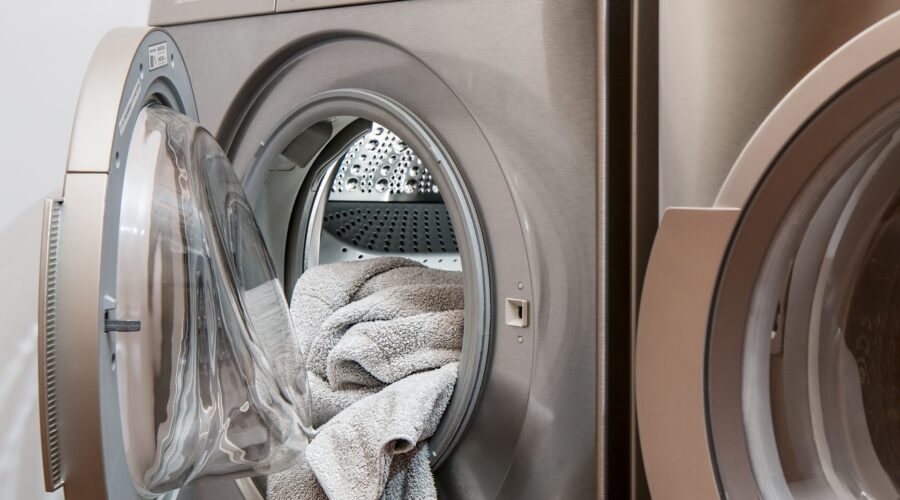
Home appliances are a major investment, so it makes sense to keep them working for as long as possible. Although every appliance eventually wears out, proper installation, regular cleaning, and careful use can help prevent avoidable damage.
The most effective appliance maintenance habits are usually simple. Avoid overloading your machines, keep important filters and vents clean, use the correct products, and respond when an appliance begins operating differently.
How can you extend the lifespan of your home appliances?
You can help your appliances last longer by installing them correctly, following the owner’s manual, avoiding oversized loads, cleaning filters and vents, using suitable products, maintaining proper airflow, addressing warning signs early, and following a regular maintenance schedule.
1. Read the Owner’s Manual
Your appliance manual explains how the machine should be loaded, cleaned, installed, and operated. These instructions are specific to your model and can help prevent damage caused by unsuitable products, oversized loads, or incorrect settings.
Check the manual before running a self-cleaning cycle, removing filters, adjusting appliance feet, or using a homemade cleaning mixture. A maintenance method that is suitable for one appliance may damage another.
If you no longer have the printed manual, search the manufacturer’s website using the model number. The number is often found inside the door, behind a drawer, or on the rear of the appliance.
2. Start With Proper Appliance Installation
Incorrect installation can place unnecessary stress on an appliance from its first day of use. A machine that is not level or properly connected may develop vibration, drainage problems, leaks, weak ventilation, or uneven performance.
Proper installation may involve checking the electrical supply, connecting water and drainage lines, confirming gas connections, adjusting appliance feet, providing enough ventilation, and testing the machine after it is connected.
Professional installation is particularly important for built-in refrigerators, dishwashers, stacked laundry units, wall ovens, cooktops, and gas appliances. Alpha Tech provides appliance installation services in Toronto and the GTA
.

3. Avoid Overloading Your Appliances
Trying to complete more work in one cycle can reduce performance and place extra pressure on motors, bearings, belts, pumps, suspension components, and racks.
- Washing machines: Clothes need enough space to move through the water and detergent. A tightly packed drum may become unbalanced and strain the drive system.
- Dryers: Laundry needs room to tumble so warm air can circulate. An oversized load takes longer to dry and may cause overheating.
- Dishwashers: Overlapping dishes can block spray arms and prevent water from reaching every item.
- Refrigerators: Food placed directly against internal vents can restrict cold-air circulation.
Practical tip: If you need to force an appliance door or lid closed, reduce the load.
4. Clean Filters, Vents, Coils, and Seals
Household appliances depend on proper airflow, drainage, and tight seals. Dust, lint, food particles, grease, and detergent residue can gradually reduce performance even when the appliance still appears to work.
Regularly inspect and clean homeowner-accessible components such as:
- Dryer lint screens and accessible exhaust vents
- Dishwasher filters and spray arms
- Washing machine detergent dispensers and door seals
- Refrigerator door gaskets and accessible condenser coils
- Range hood grease filters
- Oven, stove, and cooktop surfaces
Follow the manufacturer’s instructions before removing any component. Do not open sealed panels, refrigeration lines, gas connections, or electrical compartments yourself.
5. Use the Correct Detergent, Cleaner, and Settings
Using more detergent does not always produce cleaner laundry or dishes. Excess detergent can leave residue inside pumps, hoses, dispensers, tubs, and door seals. This buildup may contribute to odours, drainage problems, and poor cleaning results.
Use high-efficiency detergent when your washing machine requires it, and measure the amount according to the load size and soil level. Use detergent intended for automatic dishwashers rather than ordinary dish soap.
Avoid abrasive cleaners and homemade mixtures unless the appliance manufacturer confirms they are safe. Strong acids and unsuitable chemicals may damage finishes, hoses, seals, and internal components.
6. Maintain Proper Airflow and Ventilation
Appliances that create or remove heat need enough room for air to circulate. Restricted ventilation can increase operating temperatures and make compressors, motors, heating elements, and control boards work harder.
- Leave the refrigerator clearances recommended by the manufacturer.
- Keep dryer exhaust hoses as short and straight as practical.
- Do not block appliance vents with stored items.
- Keep motor and cooling openings free from dust.
- Make sure built-in appliances have suitable cabinet ventilation.
If your dryer takes more than one cycle to dry an ordinary load, restricted airflow may be the cause. Review Alpha Tech’s dryer lint cleaning tips for additional guidance.
7. Address Appliance Warning Signs Early
Appliances often show signs of trouble before they stop working completely. Continuing to operate a machine with a failing component may cause additional damage and make the eventual repair more expensive.
Arrange an inspection when you notice:
- Grinding, squealing, knocking, or buzzing sounds
- Recurring leaks or unexplained moisture
- Longer washing, drying, cooling, or heating times
- Repeated appliance error codes
- Doors that no longer close or seal properly
- Excessive vibration or movement
- Unexpected changes in temperature or performance
Safety warning: Stop using the appliance if you smell gas or burning, see smoke or sparks, notice water near electrical connections, or find that the machine is overheating. Disconnect it only when it is safe to do so and contact a qualified professional.
8. Follow a Regular Appliance Maintenance Schedule
You do not need to inspect every appliance each week. Dividing maintenance into regular, monthly, and seasonal tasks makes it easier to remember.
After Each Use
Clean the dryer lint screen, wipe major spills, and remove food or objects that could block filters or drains.
Every Month
Check door seals, clean accessible filters, inspect hoses, and run manufacturer-approved cleaning cycles.
Every Few Months
Look behind appliances for moisture, dust, crushed hoses, loose connections, and restricted ventilation.
As Recommended
Replace water filters, clean accessible coils, descale approved components, and schedule professional service when needed.
Maintenance Tips for Major Home Appliances
Washing Machine Maintenance
- Check pockets before loading clothes.
- Avoid overloading the drum.
- Use the recommended detergent and amount.
- Wipe front-load door seals after use.
- Clean detergent dispensers regularly.
- Inspect accessible hoses for cracks, swelling, or moisture.
Persistent leaks, drainage problems, or severe movement may require Washing machine repair.
Dryer Maintenance
- Clean the lint screen after every load.
- Avoid packing the drum too tightly.
- Keep the surrounding area clear.
- Check that the outdoor vent opens properly.
- Inspect the vent hose for crushing or sharp bends.
- Stop using the dryer if it overheats or smells like burning.
Damp clothes or unusually long drying cycles may indicate a need for Dryer repair.
Refrigerator Maintenance
- Keep food away from internal air vents.
- Clean spills before they reach drains or seals.
- Inspect door seals for gaps, dirt, and cracks.
- Clean accessible condenser coils when recommended.
- Leave the required clearance around the refrigerator.
- Replace water filters according to the manufacturer’s schedule.
Temperature changes or early food spoilage may require Refrigerator repair.
Dishwasher Maintenance
- Scrape large food particles from dishes.
- Avoid blocking the spray arms with oversized items.
- Clean the removable dishwasher filter.
- Check spray-arm openings for debris.
- Use detergent designed for automatic dishwashers.
- Wipe the door seal and lower door edge regularly.
A dishwasher that leaks, will not drain, or leaves dishes dirty may need Dishwasher repair.
Maintaining Your Oven, Stove, and Cooktop
Cooking appliances collect grease, crumbs, and food residue that can eventually cause smoke, odours, uneven heating, or ignition problems. Clean spills after the surface has cooled instead of allowing them to burn repeatedly.
- Use non-abrasive products suitable for the cooking surface.
- Keep gas burner ports clear without enlarging them.
- Do not line the oven floor with foil unless the manufacturer permits it.
- Use self-cleaning cycles only according to the appliance manual.
- Check that the oven door closes evenly and forms a proper seal.
- Do not ignore clicking, delayed ignition, unstable flames, or a gas smell.
Should You Repair or Replace an Older Appliance?
Maintenance can extend an appliance’s life, but it cannot make every repair worthwhile. Consider the appliance’s age, condition, repair history, energy use, parts availability, and the cost of a comparable replacement.
Repair may be the better choice when the appliance has otherwise been dependable and the required part is readily available. Replacement may make more sense when the machine requires repeated major repairs or has extensive structural damage.
Read our guide about whether to
Repair or Replace an Appliance
before making your decision.
Related Appliance Maintenance Guides
How to Clean a Washing Machine
Frequently Asked Questions
Does regular maintenance make appliances last longer?
Regular maintenance can reduce avoidable wear caused by blocked airflow, poor drainage, excess detergent, overloading, loose connections, and dirt buildup. It cannot prevent normal ageing, but it may help an appliance operate more reliably.
How often should home appliances be maintained?
Maintenance frequency depends on the appliance. Dryer lint screens should be cleaned after each load, while filters, seals, hoses, vents, and coils can usually be checked monthly or seasonally according to the manufacturer’s instructions.
Which appliances need the most regular maintenance?
Dryers, refrigerators, washing machines, and dishwashers need regular attention because they depend on airflow, drainage, water connections, filters, seals, and temperature control.
Is vinegar safe for cleaning every appliance?
No. Vinegar and other acidic cleaners may damage certain rubber seals, finishes, hoses, and internal components. Use them only when the appliance manufacturer specifically recommends them.
When should I call an appliance repair technician?
Call a technician when an appliance leaks, overheats, repeatedly displays error codes, makes new mechanical noises, stops heating or cooling correctly, or continues to perform poorly after basic cleaning and checks.
Is it safe to repair an appliance myself?
Homeowners can usually complete basic cleaning and visual checks described in the owner’s manual. Repairs involving gas lines, sealed refrigeration systems, internal wiring, high-voltage parts, or major disassembly should be handled by a qualified technician.
Need Help Maintaining or Repairing an Appliance?
If an appliance is leaking, overheating, making unusual noises, or no longer performing properly, a clear diagnosis can help you decide what to do next.
Alpha Tech Appliance serves homeowners across Toronto and the GTA with appliance repair and installation services.