Gas Line Installation Toronto
Gas Line Installation and Repair in Toronto and the GTA
Residential gas-line work must account for the proposed appliance, fuel input, existing gas supply, pipe capacity, routing, shutoff access and property conditions.
Alpha Tech Appliance provides selected planned gas-line and gas-appliance connection services in Toronto and the GTA. Availability depends on the requested work, equipment, property conditions and the authorization required for the job.
- Gas stove and range connections
- Gas cooktop connections
- Gas dryer connections
- BBQ and outdoor appliance lines
- Existing-line alterations
- Selected planned gas-line repairs
Smell Gas or Suspect an Active Leak?
Leave the area immediately. From a safe location, call Enbridge Gas at 1-866-763-5427 or call 911. Do not operate lights, electronics, switches, flames, vehicles or motors near the suspected leak. Do not use the booking form to report an active gas emergency.
Residential Gas-Line Services
The available service depends on the equipment, existing gas system, proposed route and authorization required for the work.
1 New Appliance Gas Line
A new branch line or connection for a qualifying residential gas appliance where system capacity and routing allow.
2 Gas Appliance Connection
Connection of a compatible appliance to a suitable existing supply, shutoff valve and approved connection point.
3 Gas-Line Relocation
Alteration or relocation of an existing line when the new route, capacity and surrounding conditions are suitable.
4 Gas-Line Rough-In
A prepared connection for a future appliance when included within the approved service scope.
5 Planned Gas-Line Repair
Assessment and repair of qualifying damaged components after the location has been made safe and emergency concerns have been addressed.
6 Shutoff and Connector Service
Service for qualifying appliance shutoff valves and connectors where permitted and included in the approved work.
7 BBQ and Outdoor Gas Lines
Selected residential outdoor gas service where the route, equipment, clearances and property conditions are suitable.
8 Existing-Line Assessment
Reviewing whether an accessible existing supply may be suitable for a proposed appliance or equipment change.
Gas Appliances and Outdoor Equipment
Connection availability depends on the appliance model, gas type, fuel input, location, venting and existing supply.
Gas Stoves and Ranges
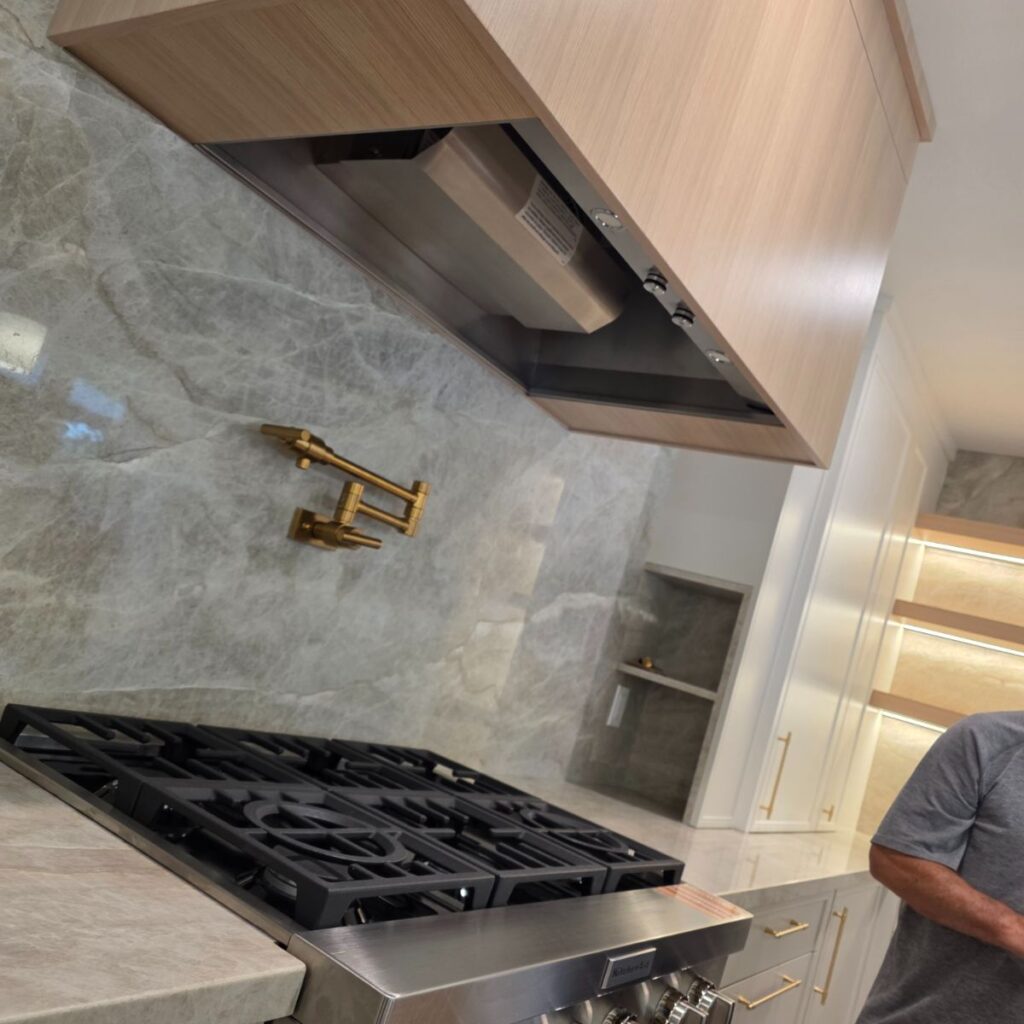
Connection for compatible freestanding or slide-in gas ranges with suitable supply, shutoff access, clearances and appliance requirements.
Gas Cooktops
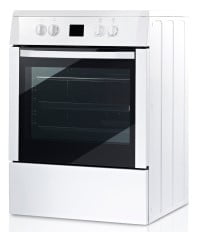
Connection for compatible built-in cooktops where the countertop opening, cabinet clearance and gas supply are suitable.

Gas Dryers
Connection for qualifying gas dryers with suitable fuel supply, electrical power, appliance clearance and dryer venting.

Natural-Gas Barbecues
Selected BBQ gas-line and connection work where the outdoor route, appliance rating and connection location are suitable.

Patio Heaters and Fire Features
Service availability depends on the equipment, location, clearances, manufacturer requirements and outdoor gas supply.

Other Residential Gas Equipment
Fireplaces, outdoor kitchens and other equipment require separate confirmation based on authorization, appliance type and site conditions.
Capacity and Routing
An Existing Gas Pipe Is Not Automatically Suitable
A nearby gas line does not necessarily have enough capacity for another appliance. The existing connected load, pipe size, length, fittings and appliance input must be reviewed.
A site assessment may consider:
- The appliance’s complete model number
- Natural gas or propane fuel type
- The appliance input rating
- The existing pipe size and material
- Total connected equipment load
- Distance from the supply to the appliance
- The number of bends and fittings
- Shutoff-valve location and accessibility
- Interior, exterior or concealed routing
- Meter, regulator and available supply conditions
Additional work may be required when the existing supply cannot support the proposed appliance.
Existing Connection or New Gas Line?
The scope changes significantly when an appliance is replacing one at an existing connection versus being added in a new location.
Connecting to an Existing Gas Supply
An existing connection may still require inspection before it is used with a new appliance.
- Shutoff-valve condition and accessibility
- Connector compatibility
- Pipe capacity for the appliance input
- Appliance clearances and location
- Fuel type and manufacturer requirements
- Condition of accessible piping and fittings
- Venting or combustion-air requirements
Installing or Relocating a Gas Line
A new route or relocated line may require broader planning and additional property access.
- Proposed pipe route and total distance
- Pipe sizing and connected load review
- Wall, ceiling, basement or crawlspace access
- Exterior or underground routing
- Required shutoff and termination location
- Meter or supply-capacity concerns
- Permit, utility or inspection requirements
- Separate wall, cabinet or finish restoration
Warning Signs That Require Immediate Caution
These signs should not be used for do-it-yourself diagnosis. If an active leak is suspected, leave immediately and contact the gas utility or emergency services.
Rotten-Egg or Sulphur-Like Odour
An odourant is added to natural gas to help people detect a possible leak. Leave the area instead of searching for the source.
Hissing or Whistling
A sound near a gas line, shutoff or appliance connection may indicate escaping gas and requires emergency precautions.
Visible Pipe or Connector Damage
Bent, corroded, loose or physically damaged gas components should not be handled or operated by the homeowner.
Damaged Appliance Connection
Do not operate or move an appliance when the connector, shutoff or piping appears damaged.
Dead Vegetation Near a Buried Line
Unexplained vegetation damage may have several causes, but a possible underground gas issue requires utility guidance.
Utility or Emergency Red Tag
Do not restore or use equipment until the identified issue has been addressed and the applicable clearance process is complete.
Information to Provide Before the Appointment
- Appliance brand and complete model number
- Natural-gas or propane fuel type
- Appliance input rating from the rating plate
- Installation address and appliance location
- Photos of the existing gas line and shutoff
- Photos of the proposed appliance location
- Estimated distance between supply and appliance
- Whether the appliance has been delivered
- Details about finished walls or ceilings
- Condo or property-management requirements
Separate Work May Be Required
- Major wall or ceiling reconstruction
- Cabinet or countertop modification
- Electrical circuits or receptacle installation
- New ventilation, chimney or flue construction
- Excavation and landscaping restoration
- Utility meter or regulator upgrades
- Structural alteration
- Commercial kitchen gas or ventilation work
- Appliance fuel-conversion work
- Permit fees or third-party inspections
Confirm whether these items are part of the proposed service before approving the work.
Our Planned Gas-Line Service Process
Active gas emergencies must first be handled by the utility or emergency services. This process applies to scheduled work.
Confirm the Requested Service
Provide the appliance, fuel type, input rating, address and photos of the proposed work area.
Review the Existing Supply
The accessible gas supply, pipe route, shutoff and connected equipment are reviewed.
Assess Capacity and Access
Pipe sizing, appliance demand, routing and property access are considered before work proceeds.
Review the Approved Scope
The planned work, exclusions, additional site requirements and applicable next steps are explained.
Complete the Authorized Work
The qualifying installation, alteration, connection or repair is completed within the confirmed scope.
Perform Applicable Checks
Applicable connection and operating checks are completed before the planned service is concluded.
Outdoor Gas Service
BBQ and Outdoor Gas-Line Installation
A fixed natural-gas connection may be considered for a compatible barbecue, outdoor kitchen, patio heater or other qualifying residential appliance.
Outdoor installation may depend on:
- The appliance fuel type and input rating
- The distance from the existing supply
- Interior, exterior or underground routing
- Building and property clearances
- Location of the appliance shutoff
- Protection from physical damage
- Existing system and meter capacity
- Excavation and surface-restoration requirements
- Manufacturer installation instructions
Do not connect a propane-only appliance to a natural-gas supply unless the appliance is approved and correctly configured for that fuel.
Gas-Line Installation and Repair Cost
Pricing depends on the equipment, existing system, pipe route, property access and complete service scope.
What Affects Gas-Line Cost?
- Appliance type and fuel input
- Existing versus new gas supply
- Pipe size, material and total length
- Number of fittings and shutoff valves
- Interior, exterior or underground routing
- Finished-wall, ceiling or cabinet access
- Basement, crawlspace or attic access
- Existing meter and system capacity
- Repair versus partial or complete replacement
- Permit, utility or inspection requirements
- Additional construction or restoration work
Confirm What Is Included
Ask whether the proposed work includes piping, fittings, shutoff valves, appliance connectors, access openings, testing, permits, inspections or restoration.
A preliminary estimate may change when concealed conditions, system-capacity issues or additional property work are discovered.
Do not purchase or convert an appliance until its fuel type, input requirements and installation location have been reviewed.
Verify Gas Contractor and Technician Credentials
Regulated fuels work in Ontario must be performed through an appropriately authorized fuels contractor using technicians certified for the work being completed.
Before approving service, request the contractor’s exact registered legal business name, current registration information and the credentials applicable to your project. Contractor information can be checked through the TSSA fuels-contractor directory .
Related Appliance and Installation Services
Gas-line work and appliance installation may be separate service scopes. Confirm both requirements when booking.
Gas-Line Service Across Toronto and the GTA
Availability varies by location, appliance, proposed scope, property access and authorization requirements. Provide the full service address when requesting an appointment.
Read Alpha Tech Customer Reviews
Review customer feedback about appliance installation, repair and other scheduled service experiences.
Gas Appliance and Connection Work
Examples of residential gas-appliance installation and outdoor gas-service work.
Frequently Asked Gas-Line Questions
Answers to common questions about residential gas-line installation, repair and appliance connections.
Who is legally permitted to install a gas line in Ontario?
Regulated fuels work must be performed through an appropriately authorized fuels contractor using technicians certified for the work. Verify the contractor’s current information through TSSA before approving service.
Is Alpha Tech registered with TSSA?
Request Alpha Tech’s exact registered legal business name, current contractor registration information and the credentials applicable to your project before work is approved. Registration should be independently verified through the TSSA contractor directory.
What should I do if I smell gas?
Leave the area immediately. From a safe location, call Enbridge Gas at 1-866-763-5427 or call 911. Do not operate lights, electronics, switches, flames, vehicles or motors near the suspected leak.
Does Alpha Tech provide emergency gas-leak response?
Do not use Alpha Tech’s booking form as the first contact for a suspected active leak. Leave immediately and contact the gas utility or emergency services. Planned repair may be discussed after the area has been made safe.
What gas appliances can be connected?
Service may be available for qualifying gas stoves, ranges, cooktops, dryers, barbecues, patio appliances and other residential equipment. Availability depends on the model, fuel type, input rating, site and authorized scope.
Can you install a gas line for a new stove or cooktop?
A new or relocated supply may be possible after the appliance input, existing system capacity, proposed route, shutoff location and property access are reviewed.
Can you install a BBQ gas line?
Selected residential BBQ gas-line service may be available when the appliance, route, clearances, connection location and existing gas-system capacity are suitable.
Can an existing gas line support another appliance?
Not necessarily. Pipe size, total length, fittings, existing connected load and the proposed appliance input must be reviewed before another appliance is added.
Do I need a new gas shutoff valve?
The shutoff location, condition, accessibility and compatibility must be reviewed. Replacement or relocation may be required depending on the appliance and existing connection.
Can an existing gas line be relocated?
Relocation may be possible when the proposed route, system capacity, access and appliance requirements allow. Finished walls, ceilings or cabinets may require separate opening and restoration.
How much does gas-line installation cost?
Cost depends on pipe size, distance, route, fittings, shutoffs, appliance input, property access, existing system capacity and permit or inspection requirements. The site must be reviewed before pricing can be confirmed.
What information is needed for a gas-line estimate?
Provide the appliance brand, complete model number, fuel type, input rating, installation address, photos of the existing supply and the proposed appliance location.
Do walls or ceilings need to be opened?
Openings may be required when the approved gas-line route passes through finished construction. Opening and restoration should be confirmed separately within the project scope.
Are permits or inspections required?
Requirements depend on the equipment, property, municipality, utility and scope of work. Any applicable permit or inspection requirement should be confirmed before installation begins.
Can you connect a gas dryer?
A qualifying gas dryer may be connected when the fuel supply, shutoff, electrical connection, dryer vent and appliance clearances are suitable.
Can gas-line work be completed in a condo?
Condo work depends on the building’s gas system, property- management approval, access, appliance requirements and any building-specific contractor or scheduling rules.
Do you repair damaged gas lines?
Selected planned repairs may be available after emergency conditions have been addressed and the damaged area, system and required scope have been assessed.
Can you convert an appliance from propane to natural gas?
Fuel conversion must be specifically permitted by the appliance manufacturer and completed using the correct model-specific components. Conversion service should be confirmed separately and must not be assumed.
Request Planned Gas-Line Service in Toronto
Provide the appliance model, fuel type, input rating, service address and photos of the existing supply and proposed location.