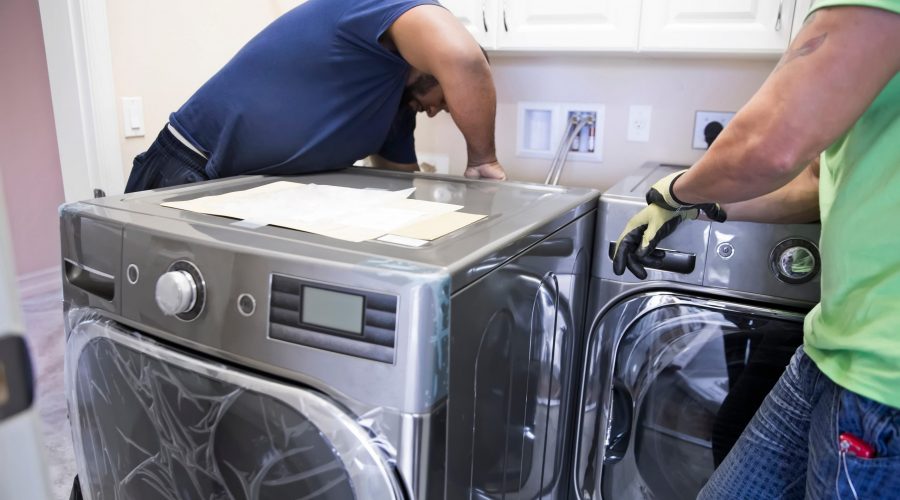
Deciding whether to repair or replace an appliance is not simply about its age. The better choice depends on what failed, the repair estimate, the appliance’s overall condition, available parts, operating costs and the full expense of installing a replacement.
A modest repair can keep a dependable appliance running for years. A larger repair may be difficult to justify when the machine already has recurring problems, significant wear or limited parts support. The goal is to compare both choices using the same information instead of making the decision from the repair price alone.

The quickest way to frame the decision
Repair is usually more attractive when: the problem is isolated, the rest of the appliance is in good condition, parts are available and the repair restores normal operation at a reasonable cost.
Replacement becomes more attractive when: several systems are failing, corrosion or structural damage is present, parts are unavailable or the full repair cost approaches the complete installed cost of a suitable replacement.
Begin With a Diagnosis, Not the Appliance’s Age
Two appliances of the same age can justify very different decisions. One may only need a door switch, drain pump, igniter or worn belt. The other may have a failed control, damaged wiring, corrosion and a second major component beginning to fail.
A useful diagnosis should answer three questions:
- What component or condition caused the failure?
- Will the proposed repair fully correct the problem?
- Are there other visible problems that could require another repair soon?
The Repair-or-Replace Scorecard
Work through the following factors before comparing the final numbers. No single point should make the decision by itself.
Add a point toward repair
- This is the appliance’s first significant problem.
- The appliance has otherwise performed reliably.
- The cabinet, tub, drum, racks and door remain in good condition.
- The failed part is available without a long delay.
- The repair addresses one clearly identified component.
- The appliance fits the space and meets the household’s needs.
- Replacing it would require cabinetry, plumbing, venting, gas or electrical changes.
Add a point toward replacement
- The appliance has required several repairs recently.
- Rust, corrosion, cracked panels or structural damage are present.
- More than one major system is failing.
- Important replacement parts are discontinued or difficult to source.
- The appliance no longer meets the household’s capacity or feature needs.
- Performance has remained poor even after maintenance.
- The complete repair cost is close to the full installed cost of a suitable replacement.
Compare the Complete Costs
Comparing only the technician’s repair estimate with the appliance’s advertised purchase price can produce a misleading result. Both choices can have additional costs.
Complete repair cost
- Diagnosis and labour
- Replacement parts
- Tax and applicable service charges
- Any related maintenance needed at the same time
- The risk of another known problem requiring attention soon
Complete replacement cost
- Purchase price
- Delivery
- Installation and connection
- Removal or disposal of the old appliance
- New hoses, cords, stacking kits or vent components
- Cabinet, counter or flooring alterations
- Gas, plumbing or electrical upgrades
- The cost of being without the appliance while waiting for delivery
A better comparison
Compare the complete repair estimate with the complete installed replacement cost—not the sale price printed beside a new appliance.
How Much Weight Should Age Carry?
Age matters because wear accumulates and parts support can decline, but age should not act as an automatic expiration date.
An older appliance may still be worth repairing when it has been dependable, remains structurally sound and needs one readily available component. A newer appliance may be a poor repair candidate if it has extensive corrosion, installation damage or several failed systems.
Ask how the appliance has performed during the last two or three years, not simply how long it has been in the home.
Look at the Type of Failure
Repairs that may be easier to justify
An isolated switch, latch, belt, roller, pump, valve, igniter, heating component, thermostat, gasket or sensor may provide a clear repair path when the rest of the appliance remains healthy.
Repairs that require a broader comparison
Sealed refrigeration work, extensive wiring damage, serious corrosion, structural tub or cabinet damage, multiple electronic failures or several worn systems may make replacement more competitive.
Has the Appliance Become Unreliable?
A repair decision should include the appliance’s recent history. One failure after years of dependable use is different from repeated service calls for unrelated problems.
Replacement deserves closer consideration when:
- The appliance has stopped working several times.
- A second major issue appeared soon after a previous repair.
- Leaks, overheating or breaker trips continue returning.
- The appliance cannot complete a normal cycle consistently.
- Performance problems remain even after cleaning and maintenance.
Check Parts Availability Before Committing
A repair is only practical when the correct component can be sourced. The model number matters because visually similar parts may have different electrical ratings, connections or dimensions.
Before approving a repair, confirm:
- The exact model and serial number
- Whether the required part is still produced
- Whether a suitable manufacturer-approved substitute exists
- The expected delivery time
- Whether other parts must be replaced as part of the same assembly
Include Energy and Water Use—But Keep It in Perspective
A more efficient replacement may reduce electricity or water use, especially when the existing appliance is significantly older or runs abnormally. However, estimated savings should be compared with the complete replacement cost.
In Canada, an EnerGuide label helps shoppers compare the model’s energy use with similar appliances. Review the label for the exact model under consideration rather than assuming every new appliance will create the same savings.
Efficiency is a useful replacement factor, but it should be considered alongside purchase price, installation, expected use and the condition of the existing appliance.
Replacement Can Create Installation Problems
Before deciding that replacement is the easier option, measure the space and inspect the existing connections. A new appliance may be wider, deeper or taller even when its advertised capacity is similar.
Consider whether replacement requires:
- Cabinet or countertop alterations
- A different electrical outlet or circuit
- A new gas connector or shutoff arrangement
- Plumbing or drainage changes
- A revised dryer vent path
- Removal of doors, railings or trim for delivery
- Permission or coordination in a condominium building
When Repair Is Often the More Practical Choice
- The problem has been clearly diagnosed.
- Only one component or system is affected.
- The appliance has otherwise been dependable.
- Its structure and major mechanical systems remain sound.
- The required part is available.
- The repair cost is comfortably below the complete replacement cost.
- The appliance still suits the household and installation space.
When Replacement May Be the Better Investment
- Several major components are worn or failing.
- The appliance has serious rust, corrosion or structural damage.
- The same or different failures keep returning.
- The correct parts are unavailable.
- The repair will not restore dependable performance.
- The appliance no longer meets the household’s needs.
- The repair estimate is close to the full installed replacement cost.
Questions to Ask Before Approving Either Option
What exactly failed?
Is the repair expected to fully correct the problem?
Are there signs that another major component is deteriorating?
Is the replacement part readily available?
What is included in the repair estimate?
What additional costs would come with a replacement?
Would the new appliance fit and connect without modifications?
Appliance-Specific Considerations
Refrigerator
Consider the condition of the compressor system, fans, defrost system, door seals, cabinet and internal liner. Food-safety risk and the cost of lost groceries can make timely diagnosis important. Learn more about refrigerator repair.
Washer
Look beyond the immediate fault for bearing noise, tub movement, corrosion, recurring drainage problems and leaks. Review washer repair options.
Dryer
Inspect the drum, motor, rollers, belt, heating system and vent condition. A restricted household vent should be corrected separately from the appliance repair. Learn about dryer repair.
Dishwasher
Consider the condition of the tub, racks, pump, door seal, wiring and surrounding cabinetry. Long-standing leaks may affect more than the dishwasher itself. Review dishwasher repair.
Oven or range
Compare the failed heating or ignition component with the condition of the controls, wiring, door, cavity and cooktop. Gas-supply and combustion problems require appropriate service. Learn more about oven repair.
Useful Canadian resources
Repair-or-Replace Questions
Is there a universal percentage rule for appliance repair?
No single percentage works for every appliance. The repair estimate should be compared with the complete installed replacement cost, appliance condition, parts availability and likelihood of future repairs.
Is an old appliance always better to replace?
No. An older but dependable appliance may justify an isolated repair when it remains structurally sound and the required part is available.
Does one expensive part mean replacement is necessary?
Not automatically. Consider the complete repair cost, the condition of the rest of the appliance and what a properly installed replacement would actually cost.
Should energy efficiency decide the choice?
Efficiency should be included, but estimated savings should be weighed against purchase, installation, modification and disposal costs.
What information should I have before calling?
Have the model number, approximate age, symptoms, error codes, recent repair history and details about any leaks, smells, noises or performance changes.
Get the Diagnosis Before Making the Decision
Alpha Tech Appliance can identify the failure and explain the repair option so you can compare it with replacement using accurate information rather than guesswork.